Perimenopause & MenopausePerimenopause & menopause are natural stages of life, but the changes they bring can leave you feeling unlike yourself.
Perimenopause and menopause are natural stages of life, but that doesn't mean the changes are always easy to navigate.
From disrupted sleep and fluctuating moods to changes in weight, energy and overall wellbeing, it can sometimes feel like your body is working against you. As a Registered Nutritionist specialising in women's hormone health, I'm here to help you understand what's happening and how nutrition and lifestyle can support you through this transition.
Together, we can build healthier habits that work with your changing body, helping you feel more informed, supported and confident in this next chapter.
Your Hormones Are Changing. Let's Understand Why.
Perimenopause and menopause are about so much more than changes to your menstrual cycle. From disrupted sleep and fluctuating energy to changes in mood, weight and concentration, your hormones can influence how you feel in ways you might not expect.
Understanding what's happening within your body is the first step towards making positive, informed changes. Through science-led nutrition and practical lifestyle guidance, I can help you navigate this transition with greater confidence.




SCIENCE-LED. PERSONALISED. POSITIVE.Why Work With Hannah?
I'm Hannah Alderson, a BANT Registered Nutritionist, bestselling author and founder of The Positive Method™. I specialise in women's hormone health, helping women navigate perimenopause and menopause through science-led nutrition and lifestyle guidance.
My approach goes beyond food, bringing together nutrition, sleep, movement and stress management to help you understand your changing body and build healthier habits that last.
Your Questions, Answered
Perimenopause is the transition leading up to menopause, when you may start experiencing symptoms and changes to your periods. Menopause is reached when you haven’t had a period for 12 consecutive months and there’s no other cause. Hormonal contraception can make this harder to identify, so your GP can help you understand where you are. The time afterwards is called postmenopause.
-
That menopause is purely a reproductive shift, when in fact it’s a whole body shift! Oestrogen receptors are found throughout the body, so changing hormone levels can influence everything from the brain and bones to metabolism, cardiovascular health and the gut. Perimenopause can begin years before your final period and symptoms can show up in ways you might not immediately connect to hormones, from changes in mood and sleep to energy, body composition and brain fog. Knowledge really is power here. Understanding what’s happening can help you feel far more in control.
-
Think of them as creating a landscape that helps your body manage this hormonal shift. In particular, as oestrogen declines, mechanisms including blood sugar regulation, bone turnover and cardiovascular health come under greater pressure. Nutrition, strength training, sleep and supporting a healthy gut microbiome all become incredibly valuable. Essentially you want to create the best environment for your body to navigate this shift!
-
As hormones fluctuate during perimenopause, the brain is adapting too, making this a recognised window of vulnerability for changes in mood, anxiety and mental health. Oestrogen interacts with brain chemistry, including serotonin pathways involved in mood and emotional wellbeing. Progesterone’s by product allopregnanolone is very calming too! As your sex hormones fluctuate, they can also influence the HPA axis, which regulates our cortisol stress response. Throw in disrupted sleep and the demands of midlife, spinning plates on top of this, it can be a pretty hostile environment for your mental health.
-
HRT replaces hormones that decline through menopause, primarily oestrogen, and progestogen is usually added to protect the womb lining. Testosterone may also be considered for some women experiencing low libido. It can be highly effective for symptoms including hot flushes, anxiety, night sweats, sleep disturbance and menopause related low mood, while oestrogen also helps protect against bone loss. But it isn’t suitable for everyone, and it doesn’t replace the foundations of good health. Nutrition, movement, sleep and stress support remain incredibly important for helping the body navigate this whole body hormonal shift.
-
Perimenopause is not a linear hormonal decline, it’s more of a rollercoaster. Ovulation becomes less predictable, progesterone can decline and oestrogen can fluctuate considerably. At menopause, ovarian oestrogen and progesterone production falls significantly. It’s a biological transition that can impact the whole body, not just your periods!

#HAPPYHEALTHYHORMONESStrive for change, embrace a new lifestyle, commit to positivity, and finally open the doors to the best version of you
Understand your changing body, find clarity around nutrition, and build habits that support you through perimenopause, menopause and beyond. Feel more informed, supported and confident in your next chapter.
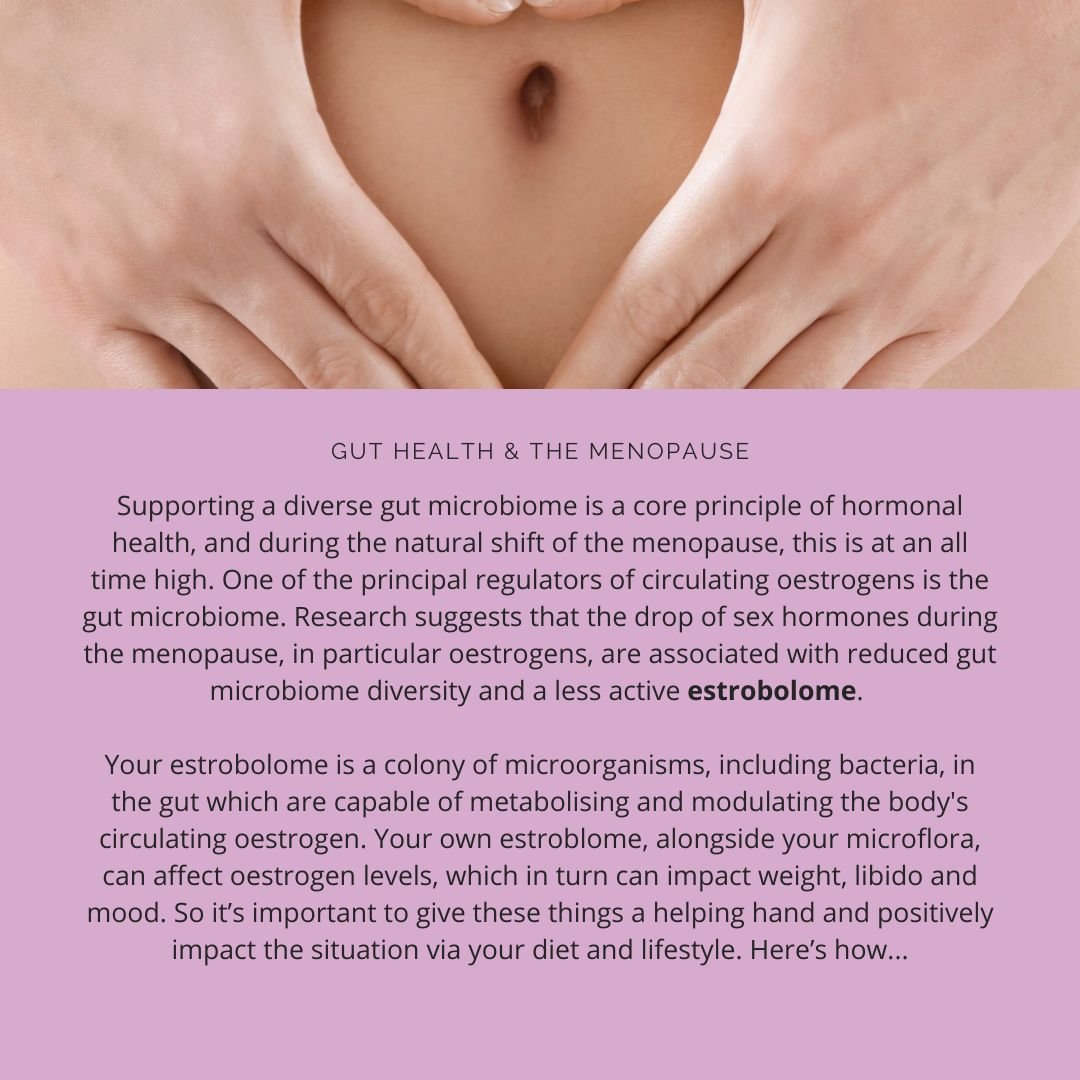
KIND WORDS“Hannah has made me feel more like myself again, for the first time in I can’t remember how long”
ANNABEL"My whole world has finally been pieced back together"
SIENNALET'S WORK TOGETHERYour Next Chapter Starts with Understanding Your Body
You don't have to navigate perimenopause or menopause feeling confused, frustrated or unsure where to begin.
With the right knowledge, nutrition and lifestyle support, you can make positive changes that help you feel more confident in your health, both now and in the years ahead.